


The landscape of e-invoicing in Malaysia is undergoing a significant transformation, propelled by government support and the numerous benefits it offers to businesses e invoice. As more companies in Malaysia embrace e-invoicing to enhance their operational efficiency and cost-effectiveness, the shift towards digital invoicing is becoming increasingly pronounced. With a focus on improving security measures and streamlining financial processes, the realm of e-invoicing in Malaysia holds promising potential for revolutionizing traditional business transactions and fostering a more agile and sustainable business environment.
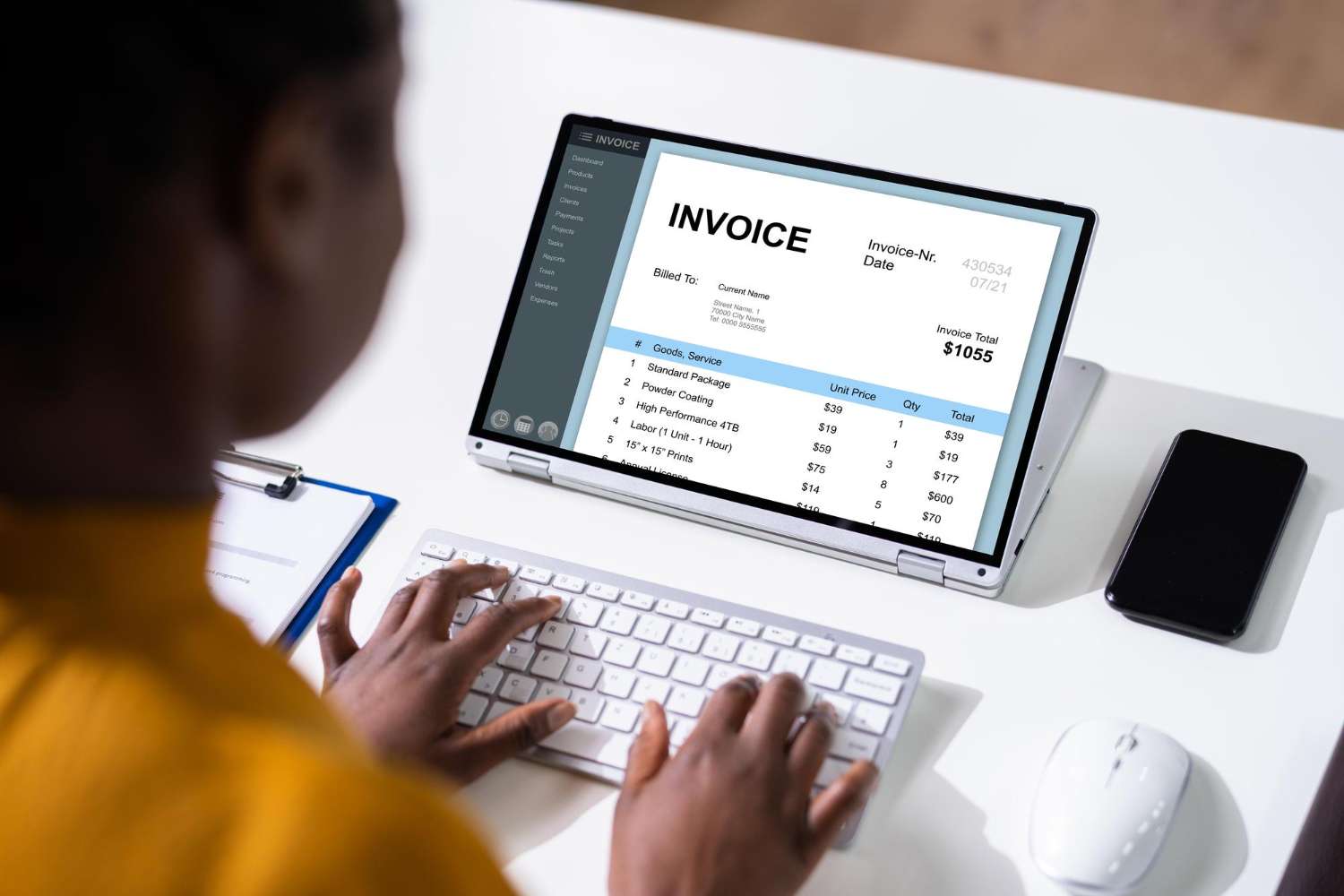
Current Landscape of E-Invoicing in Malaysia
In Malaysia, the adoption of e-invoicing is steadily increasing, driven by government initiatives and the recognition of its potential to streamline business processes and enhance efficiency. The Malaysian government has been actively promoting e-invoicing as part of its efforts to digitize the economy and reduce the burden of paper-based processes. As of [current year], [data source] reports that [percentage] of businesses in Malaysia have already implemented e-invoicing systems, representing a significant growth compared to previous years.
One of the key drivers behind the increasing adoption of e-invoicing is the cost-saving potential it offers to businesses. By automating the invoicing process, companies can significantly reduce the time and resources required to generate, send, and process invoices. Additionally, e-invoicing helps to minimize errors and discrepancies, leading to faster payment cycles and improved cash flow management. With the Malaysian government’s continued support and the growing awareness of the benefits of e-invoicing, the trend is expected to continue upward in the coming years.
Advantages of E-Invoicing Adoption
E-invoicing adoption in Malaysia offers significant advantages, including:
- Cost savings benefits
- Increased efficiency in billing processes
- Enhanced data accuracy
By transitioning to electronic invoicing, businesses can streamline their operations, reduce paper usage, and minimize manual errors.
These benefits not only lead to financial savings but also contribute to a more sustainable and productive business environment.
Cost Savings Benefits
By implementing electronic invoicing systems, businesses can realize significant cost savings through streamlined processes and reduced manual labor expenses. E-invoicing eliminates the need for paper, printing, and postage costs associated with traditional invoicing methods.
Automation of invoicing processes also reduces the likelihood of errors, leading to fewer disputes and associated costs. Additionally, electronic invoicing enables faster processing and payment cycles, allowing businesses to optimize their cash flow management.
Studies have shown that companies can save up to 60% on processing costs by switching to e-invoicing. These cost savings benefits make e-invoicing an attractive option for businesses looking to improve efficiency and reduce operational expenses.
Increased Efficiency in Billing
With the implementation of electronic invoicing systems, businesses experience a notable enhancement in billing efficiency, leading to streamlined processes and improved financial management. E-invoicing allows for automated generation, delivery, and processing of invoices, reducing the time and resources traditionally spent on manual billing tasks.
This efficiency translates into faster payment cycles, improved cash flow, and better overall financial visibility for businesses. According to research by the Electronic Invoicing Association, companies can save up to 80% on processing costs by adopting e-invoicing.
Moreover, the digitization of billing data enables easier tracking, monitoring, and analysis of financial transactions, empowering businesses to make data-driven decisions quickly. In essence, the shift towards e-invoicing brings about a significant boost in operational efficiency and financial performance.
Enhanced Data Accuracy
The implementation of electronic invoicing systems not only enhances billing efficiency but also significantly improves data accuracy within financial transactions, providing businesses with a reliable foundation for decision-making and analysis.
By digitizing the invoicing process, e-invoicing reduces the risk of human error associated with manual data entry, leading to more accurate financial records. This enhanced data accuracy not only streamlines reconciliation processes but also ensures compliance with regulatory requirements.
Additionally, the availability of real-time data through e-invoicing systems enables businesses to promptly identify discrepancies or irregularities, facilitating quicker resolution of issues. Ultimately, the improved data accuracy resulting from e-invoicing adoption empowers organizations with more reliable information for strategic planning and operational decisions.
Key Features of Malaysia’s E-Invoicing Framework
Within the realm of electronic invoicing in Malaysia, the framework boasts several key features that streamline and enhance the invoicing process for businesses. One essential feature is the standardized format required for e-invoices, ensuring consistency and compatibility across different systems. This promotes seamless exchange of invoices between companies, reducing errors and enhancing efficiency.
Additionally, Malaysia’s e-invoicing framework incorporates digital signatures and encryption mechanisms to ensure the security and authenticity of electronic invoices, preventing fraud and unauthorized alterations.
Moreover, the framework facilitates real-time validation of invoices, allowing businesses to promptly identify and resolve any discrepancies, leading to faster payment cycles and improved cash flow management. Another noteworthy feature is the integration of e-invoicing with existing accounting systems, enabling automated data entry and reconciliation processes. This integration minimizes manual intervention, reduces the risk of human error, and enhances overall accuracy in financial record-keeping.
Implementing E-Invoicing Solutions in Business
Implementing e-invoicing solutions in business offers significant efficiency gains and cost-saving benefits. By streamlining the invoicing process, businesses can reduce manual errors and processing times.
The adoption of e-invoicing can lead to improved cash flow management and enhanced relationships with suppliers and customers.
Efficiency in Invoicing
Enhancing operational efficiency through the adoption of E-Invoicing solutions is a strategic imperative for modern businesses seeking streamlined financial processes. By implementing E-Invoicing, companies can significantly reduce manual data entry errors, processing times, and costs associated with traditional paper-based invoicing systems.
According to a study by the Institute of Finance and Management, businesses can save up to 60% in processing costs by transitioning to electronic invoicing. Additionally, E-Invoicing enables real-time tracking of invoices, faster approvals, and seamless integration with accounting systems, leading to improved cash flow management and better decision-making.
Cost-Saving Benefits
The adoption of E-Invoicing solutions in businesses offers significant cost-saving benefits by optimizing operational efficiency and reducing processing expenses. Implementing E-Invoicing streamlines the invoicing process, leading to fewer errors, faster payment cycles, and decreased administrative costs.
According to studies, E-Invoicing can reduce processing costs by up to 60% compared to traditional paper-based systems. Additionally, the automation of invoicing tasks cuts down on manual labor, freeing up employees to focus on more strategic activities that drive business growth.
Ensuring Compliance With E-Invoicing Regulations
Compliance with e-invoicing regulations is a crucial aspect for businesses operating in Malaysia. The Malaysian government has implemented e-invoicing regulations to enhance transparency, reduce tax evasion, and streamline business processes. One of the key regulations is that businesses must issue electronic tax invoices that comply with the Malaysian Customs regulations. Failure to adhere to these regulations can result in penalties and fines imposed by the authorities.
To ensure compliance, businesses need to stay updated on the latest e-invoicing guidelines issued by the Malaysian government. It is essential for companies to invest in e-invoicing solutions that are compliant with Malaysian regulations to avoid any legal repercussions. Additionally, conducting regular audits and reviews of e-invoicing processes can help businesses identify and rectify any non-compliance issues promptly.
Cost Savings and Efficiency Gains
Incorporating e-invoicing systems can lead to significant cost savings and efficiency gains for businesses in Malaysia. By automating the invoicing process, companies can reduce the time and resources spent on manual data entry and processing. According to studies, businesses can save up to 70% on processing costs by transitioning to e-invoicing solutions. This reduction in manual labor not only cuts down on expenses but also enhances overall efficiency by streamlining workflows and reducing the likelihood of errors commonly associated with manual invoicing.
Moreover, e-invoicing facilitates faster payment cycles as invoices can be delivered instantly, leading to improved cash flow management for businesses. With quicker payments, companies can better allocate their resources and investments, ultimately enhancing their financial performance. Additionally, the digitization of invoices enables better tracking and reporting capabilities, providing businesses with valuable insights into their financial operations and helping them make informed decisions for future growth and sustainability.
Addressing Security Concerns in E-Invoicing
Addressing security concerns in e-invoicing necessitates a robust framework that ensures the confidentiality, integrity, and authenticity of electronic invoices. In Malaysia, e-invoicing security is a critical aspect that businesses and government entities must prioritize.
One of the primary concerns is data confidentiality, as sensitive financial information is transmitted electronically. Encryption technologies and secure data transmission protocols play a vital role in safeguarding this information from unauthorized access.
Additionally, ensuring the integrity of e-invoices is essential to prevent tampering or unauthorized modifications during transmission. Digital signatures and audit trails can help maintain the integrity of electronic invoices throughout the invoicing process.
Moreover, verifying the authenticity of e-invoices is crucial to prevent invoice fraud and unauthorized transactions. Implementing multi-factor authentication mechanisms and digital certificates can enhance the authenticity of e-invoices, providing a secure environment for electronic invoicing in Malaysia.
Future Outlook for E-Invoicing in Malaysia
Looking ahead, the evolution of e-invoicing in Malaysia is poised to revolutionize the way businesses manage their financial transactions and streamline operational processes. As Malaysia continues to embrace digital transformation initiatives, the future outlook for e-invoicing appears promising. The adoption of e-invoicing is expected to lead to increased efficiency, cost savings, and reduced errors in financial transactions.
With the government’s push towards digitalization and the implementation of the Peppol e-invoicing framework, Malaysia is well-positioned to see widespread adoption of e-invoicing among businesses of all sizes. This standardized approach will enhance interoperability and facilitate seamless electronic invoice exchange both domestically and internationally.
Furthermore, the future of e-invoicing in Malaysia presents opportunities for improved transparency, audit trails, and compliance with regulatory requirements. As more businesses recognize the benefits of e-invoicing, we can anticipate a shift towards a more automated and secure invoicing ecosystem in the country. Overall, the future of e-invoicing in Malaysia looks promising, offering a pathway towards greater efficiency and digital transformation in financial operations.
Conclusion
In conclusion, the adoption of e-invoicing in Malaysia is steadily increasing, driven by government support and recognized benefits such as cost savings, efficiency gains, and improved data accuracy.
The country’s focus on security and compliance with e-invoicing regulations underscores its commitment to transforming financial transactions and operational processes.
With a growing number of businesses implementing e-invoicing solutions, Malaysia’s future outlook for e-invoicing appears promising and transformative.